

Call or Text: (303) 832-2054

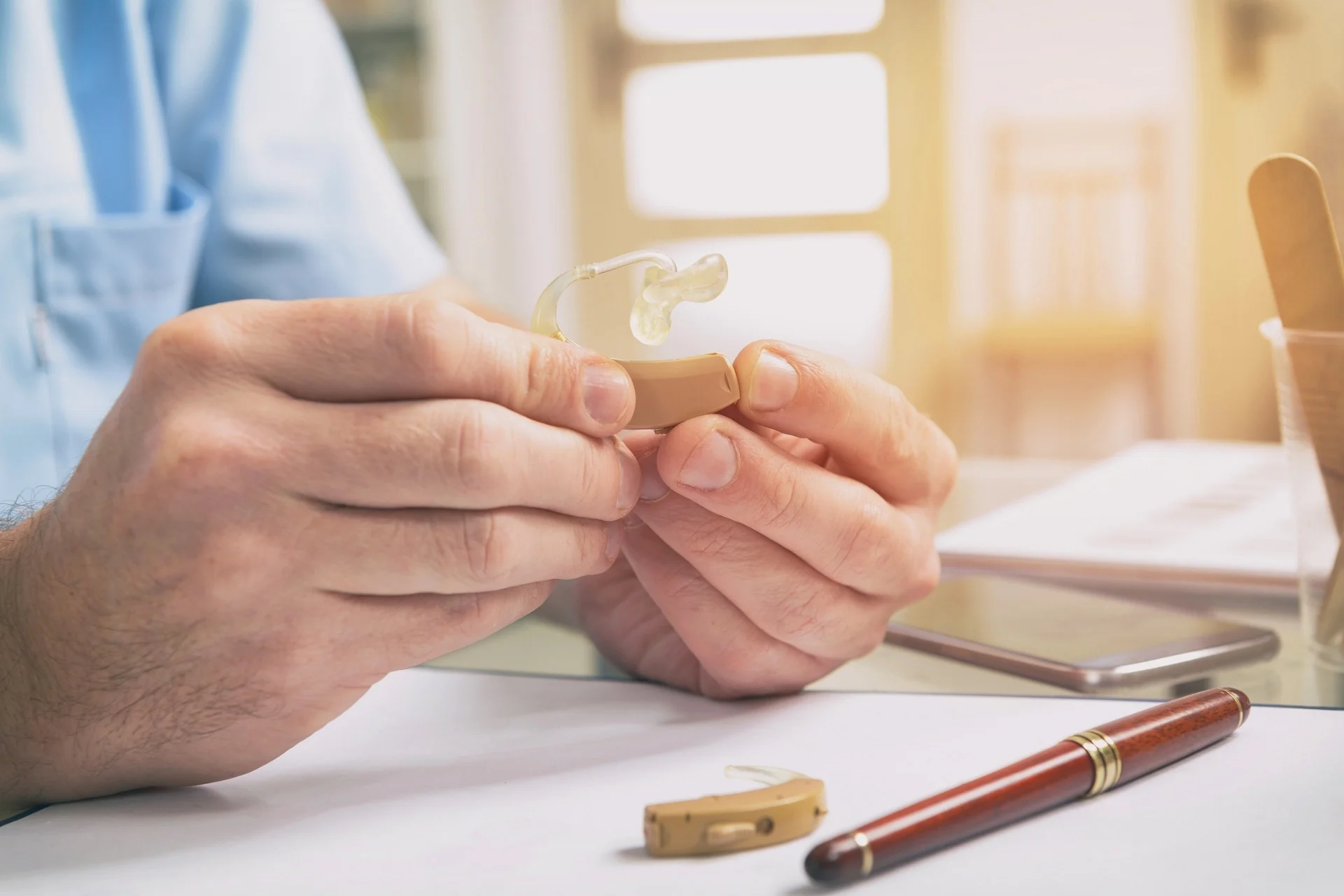
Modern technology continuously transforms how people care for their hearing. One of the most significant shifts involves the transition from traditional goopy ear molds to high-definition digital imaging. For decades, the standard process involved injecting a cold silicone material into the ear canal and waiting for it to harden.
While this method served the industry well, it often felt invasive and lacked the precision that modern manufacturing demands. Digital scanning now offers a cleaner and more accurate alternative. This process uses light to capture the unique landscape of the ear without the physical pressure of heavy impression materials.
The Problem With Traditional Silicone Molds
Traditional ear impressions often suffer from physical distortion during the curing process. When the silicone sits inside the ear, it can pull on the delicate skin or shift as the jaw moves. This small movement creates a finished product that does not quite match the true shape of the ear canal.
Furthermore, shipping these physical molds to a laboratory introduces even more risk of damage or heat warping during transit. If a mold arrives with a small crack or flat spot, the resulting hearing aid or earplug will never feel comfortable. Digital scans eliminate these physical vulnerabilities completely.
Speed and Efficiency in Digital Imaging
Digital scans provide an immediate visual representation of the ear on a computer screen. This allows for an instant review to ensure that every nook and cranny of the ear canal appears in the data. If a spot looks unclear, the scan takes only seconds to repeat without any mess or discomfort.
Once the image is complete, the file travels to a manufacturing facility in an instant. This removes days of waiting for the mail and speeds up the production timeline significantly. Patients receive their custom devices much faster when the workflow stays entirely in a digital format.
Accuracy Through Millions of Data Points
A 3D scanner captures thousands of tiny measurements every second to build a virtual map of the ear. This level of detail ensures that the final custom device mirrors the natural curves of the body with incredible precision.
Because the light from the scanner does not compress the ear tissue as heavy silicone does, the resulting fit is much more natural. This high degree of accuracy reduces the need for office visits to sand down or adjust a device that feels too tight. Precision at the start leads to long-term success and satisfaction for the wearer.
Better Results for Difficult Ear Shapes
Some individuals have ear canals that twist at sharp angles or have narrow spots that make traditional molding difficult. In these cases, 3D scanning shines because the thin probe can navigate tight spaces without causing pain. The digital software can also highlight areas where a device might cause a pressure point before manufacturing even begins.
This proactive approach allows technicians to design a more comfortable shell that accommodates the unique anatomy of each person. Using light instead of paste ensures that even the most complex ear shapes receive a perfect, customized fit every single time.
Sustainability and Digital Record Keeping
Moving away from physical molds helps the environment by reducing the amount of waste generated in the office. There are no mixing tips or plastic containers to throw away after every appointment. Additionally, the digital file stays on a secure server for years.
If a person loses their custom earplug or breaks a hearing aid, a new one can be ordered using the existing scan. This eliminates the need to return for a new impression appointment. Having a permanent digital record simplifies the process of upgrading technology or replacing lost items as the years go by.
How 3D Scans Improve Accuracy in Custom Impressions
The accuracy of your device’s fit determines whether you actually wear it. If your custom piece feels itchy, loose, or uncomfortable, its benefits disappear. Choosing a hearing health professional who uses advanced 3D scanning ensures optimal comfort from the first visit. If your current devices fit poorly, or if you’re considering new custom ear protection, schedule a consultation to get a precise digital scan and experience a truly comfortable fit.