

Call or Text: (303) 832-2054

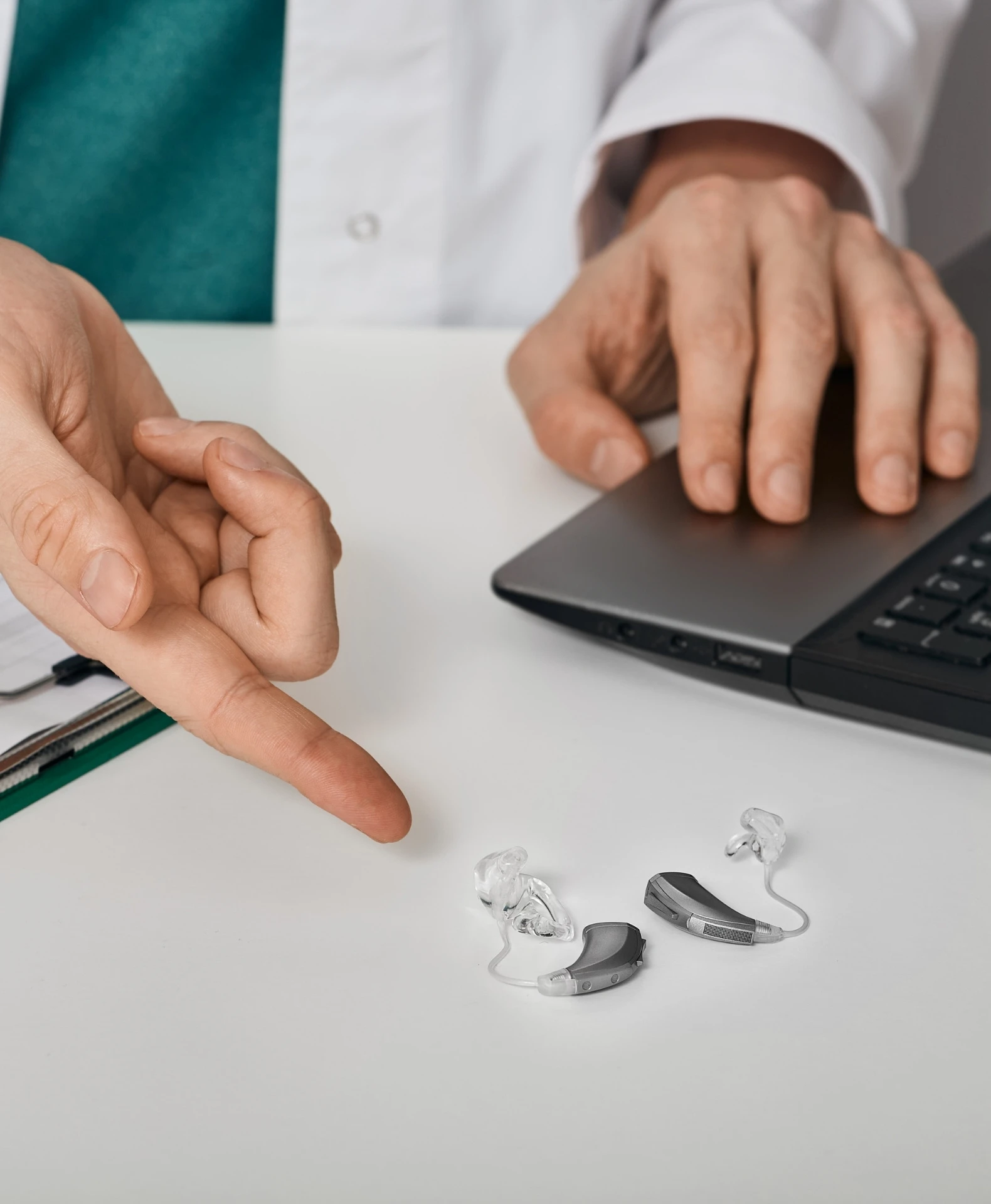
Choosing the right hearing solution often feels like standing at a crossroads where every path looks slightly different yet equally important. Most people naturally think of traditional hearing aids that sit behind or inside the ear to amplify sound through the air. However, another path exists for individuals who face specific physical challenges within the ear canal or middle ear space.
These two technologies approach sound processing from entirely different angles to help people reconnect with the world. This discussion highlights how each system functions so that anyone can feel more confident about their specific hearing needs.
How Traditional Hearing Aids Process Every Sound
Standard hearing aids work by picking up sound through a microphone and converting it into a louder electronic signal. This amplified sound then travels through the ear canal and vibrates the eardrum to reach the inner ear. These devices serve millions of people effectively because they offer incredible flexibility for various levels of hearing loss.
They come in many shapes and sizes to fit comfortably while providing high-quality audio for daily conversations. Modern technology allows these units to filter out background noise so that users can focus on the voices that actually matter during busy social gatherings.
The Mechanics of Bone-Anchored Hearing Systems
Bone-anchored systems bypass the outer and middle ear entirely by sending sound vibrations directly to the inner ear through the skull. This method works wonders for people who deal with chronic ear infections or physical blockages that prevent sound from traveling down the ear canal.
Instead of pushing air through a narrow passage, these devices use the natural ability of bone to conduct sound waves. This technology provides a clear and consistent signal for those who cannot wear a standard device due to skin sensitivities or structural issues. It offers a unique alternative for specific medical situations.
Comparing Sound Quality and Daily Comfort
Sound quality feels different between these two options because the delivery method changes how a person perceives their own voice. Traditional aids sometimes create a plugged feeling in the ear, which some find distracting during long days of wear.
Bone-anchored devices leave the ear canal open, which allows for a more natural sensation of the surrounding environment. However, standard aids often provide more control over high-frequency sounds, which helps with clarity in music or nature. How to achieve optimal comfort remains a personal preference since some prefer a removable device while others choose a more integrated hearing solution.
Managing Maintenance and Lifestyle Integration
Keeping hearing technology in top shape requires a bit of regular attention, regardless of the specific model chosen for daily use. Traditional hearing aids need frequent cleaning to remove wax or moisture that might clog the tiny speakers or microphones over time. Bone-anchored processors require care around the attachment point to ensure the skin remains healthy and the connection stays strong.
Both options now feature advanced connectivity to smartphones, which makes adjusting volume or taking phone calls much easier than in years past. Selecting the right fit depends largely on how someone spends their busy afternoons.
Considerations for Long-Term Hearing Health
Thinking about the future helps when deciding which technology will provide the best results for many years to come. Traditional aids offer the advantage of being non-invasive and easy to upgrade as newer models hit the market with better features. Bone-anchored systems often involve a small procedure to ensure the device stays secure and functions at peak performance levels.
Every individual has a unique ear shape and a specific type of hearing loss that dictates which technology will perform best. Understanding these technical nuances ensures that no one has to struggle through a quiet or muffled world.
Finding Clarity with Your Choice of Hearing Aids
You deserve to hear every laugh and every secret whispered by a loved one without any unnecessary struggle or frustration. This practice provides the guidance needed to choose a path that leads toward better hearing and a more vibrant lifestyle for every patient.
Contact us to schedule a time to discuss your options and find a personalized fit. Taking this step ensures that hearing health remains a top priority so that life remains full of rich sounds. Send a message or call our office at (303) 832-2054 to start a conversation about a better future.