Call or Text: (303) 832-2054

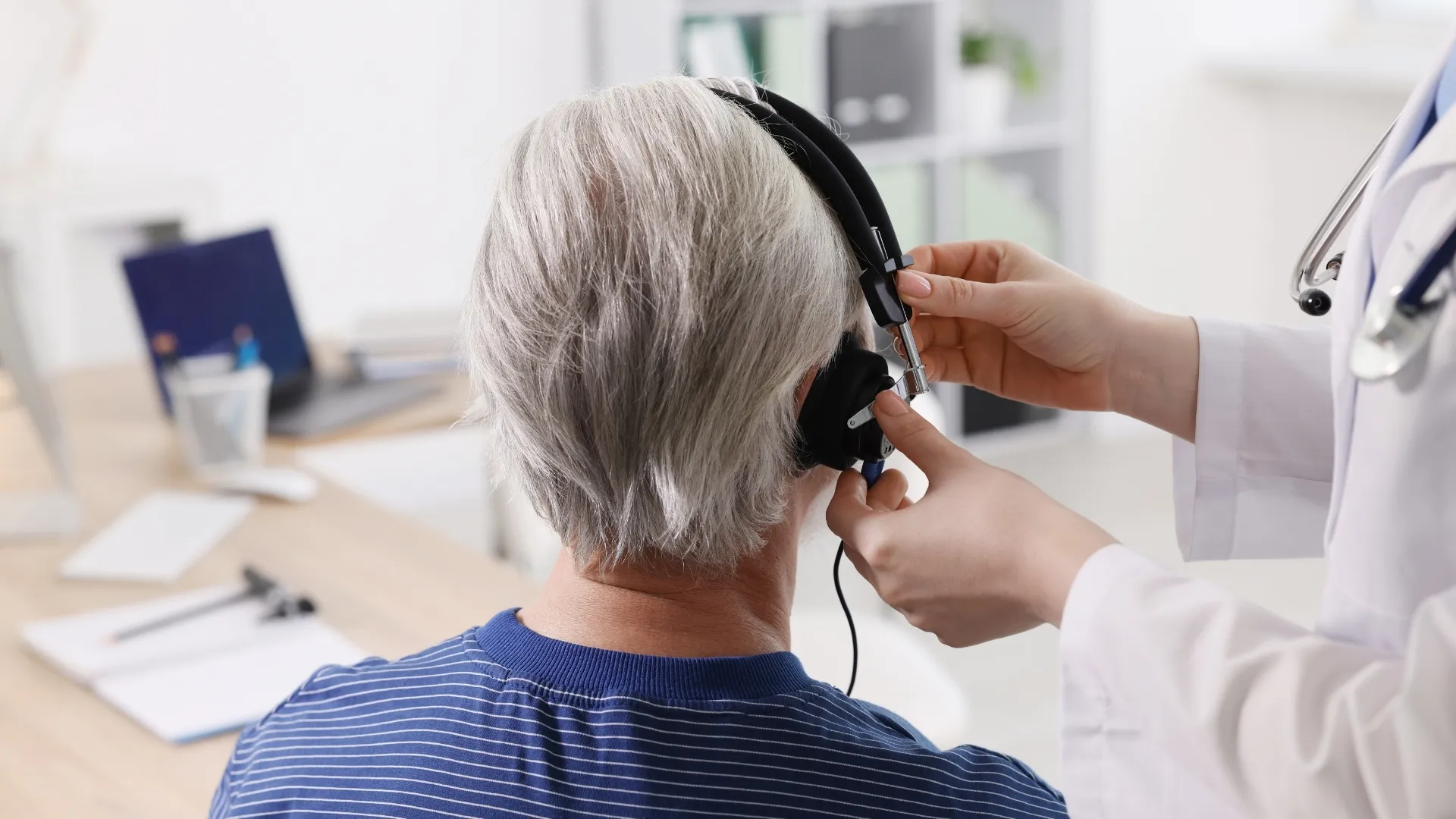
Getting a new set of hearing aids feels like a major milestone in the journey toward better hearing. It is exciting to think about catching every word during a family dinner or hearing the birds in the backyard again. However, the technology inside those small devices only works as well as the person programming them.
It’s easy to assume that the software does all the work, but there is a big difference between a normal hearing aid and a customized one working for a specific ear. This is where two types of testing come into play to ensure the best results.
Understanding the Hearing Instrument Test Box
Electro-acoustic testing happens inside a specialized acoustic chamber, often called a test box. This process focuses entirely on the mechanical health of the hearing aid itself. It checks if the device is meeting the original factory standards set by the manufacturer.
The test box measures volume, frequency range, and any distortion levels without a person ever wearing the device. It is a fantastic way to confirm that a hearing aid is not broken or weak. If a device has been dropped or is a few years old, this test proves the hardware is still in peak condition.
The Role of Real Ear Measurements
While the test box checks the machine, real-ear measurements look at the person. This process involves placing a very thin, soft tube inside the ear canal right next to the eardrum. With the hearing aid in place, a hearing health professional plays various sounds and measures exactly what the eardrum receives.
Every ear canal has a unique shape and size, which changes how sound bounces around before hitting the brain. Real-ear measurements account for these physical differences. This objective data ensures the settings match the unique anatomy of the wearer rather than just an average model. It is the gold standard for personalized fitting.
Why Both Tests are Necessary
A common counter-narrative in the industry is that one test can replace the other. Some might say that if a hearing aid passes the factory test, it should work fine in the ear. Others might think that real-ear measurements make the test box redundant. In truth, these two methods solve different problems.
A hearing aid could be programmed perfectly for a specific ear, but have a tiny internal crack causing distortion. Conversely, a perfectly functioning hearing aid might provide too much bass because of a narrow ear canal. Using both ensures the hardware is healthy and the fit is precise.
Better Outcomes and Fewer Adjustments
Clinics that prioritize both forms of testing often see much higher satisfaction rates. When the fitting is right from the very beginning, there is less need for multiple follow-up visits to tweak the volume. This precision leads to better speech clarity and more natural sound quality.
People who receive this level of care often report that they forget they are even wearing hearing aids. They don’t have to struggle with loud noises being too sharp or soft voices being too quiet. This careful approach takes the guesswork out of the equation and replaces it with scientific proof of performance.
Investing in Long-Term Success
High-quality hearing care is an investment in quality of life. Relying only on a computer’s initial guess for settings can leave a person feeling frustrated or like the technology is failing. By verifying the device with electro-acoustic testing and the fit with real-ear measurements, the results become much more reliable.
This dual approach protects the investment and ensures the brain is getting the exact signals it needs to process sound correctly. It is the most effective way to guarantee that a person is actually hearing what they are supposed to be hearing in every environment.
Final Thoughts
The success of your hearing solution depends on balancing device health with precise personalization. If your devices still sound muffled or “off” after multiple adjustments, it’s time for deeper verification. Don’t settle for fittings based only on software defaults or quick listening checks.
Seek a professional who uses both test-box analysis and real-ear measurements to fine-tune your devices. For a clearer, more comfortable listening experience that lasts, call (303) 832-2054 to schedule a verification appointment with Denver Audiology.