Call or Text: (303) 832-2054

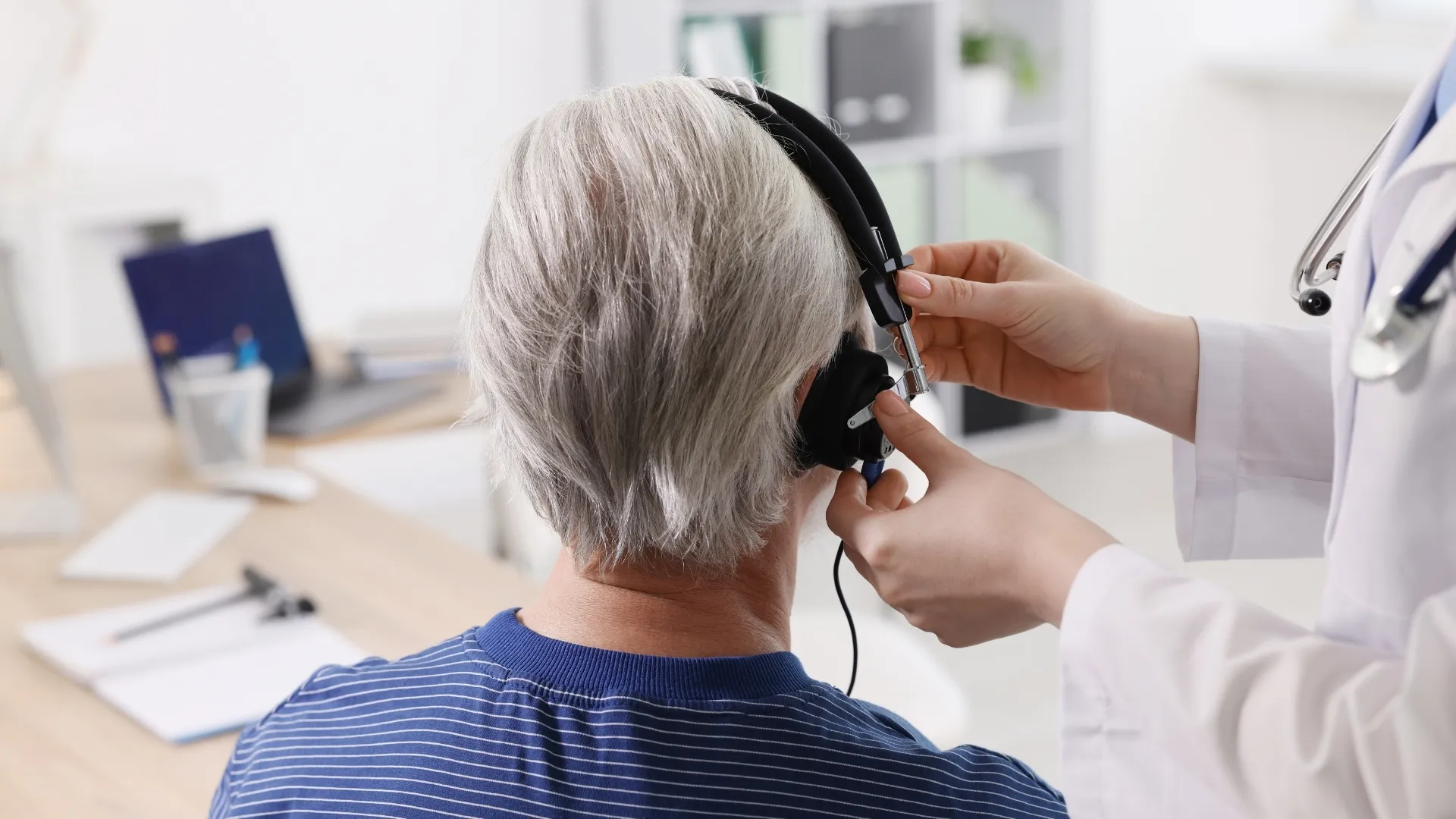
Hearing changes in later years often appear gradually, until conversations become challenging. Regular hearing screenings for seniors provide an opportunity to identify these changes early and address them before they impact quality of life.
Hearing loss affects communication, cognition, and emotional well-being. Many seniors assume that declining hearing is just part of aging, yet screenings reveal that interventions, whether through devices or other strategies, can restore clarity, confidence, and connection to the world of sound.
Why Early Detection Matters
Hearing loss often develops gradually, and early detection through screenings can prevent more serious complications. Even mild hearing loss increases the mental effort needed to process speech due to degraded auditory signals. Regular screenings allow for timely intervention, supporting clearer communication and reducing the risk of social withdrawal. Addressing hearing loss early can preserve engagement in everyday life and keep seniors connected with friends, family, and community activities.
Beyond social and emotional aspects, early detection can also protect brain health. Studies suggest a link between untreated hearing loss and an increased risk of cognitive decline. Screenings identify deficits before they have significant effects, enabling seniors to maintain sharper focus and better memory function. Recognizing the importance of early action changes the perception of hearing loss from an inevitable decline to a manageable aspect of healthy aging.
Overlooked Symptoms That Screenings Can Reveal
Not all hearing difficulties are obvious; background noise may become distracting, and high-pitched sounds may fade, yet these subtle changes often go unreported. Screenings provide an objective measure of hearing ability, thresholds and basic auditory function. These evaluations can uncover single-ear loss, high-frequency deficits, or early signs of more complex auditory conditions.
Many seniors assume that if conversation seems mostly clear, hearing is fine. Yet, screenings frequently reveal hidden deficits that affect comprehension, safety, and overall quality of life. Catching these issues early allows for practical solutions before frustration accumulates, creating a smoother experience in both social and daily settings.
Countering the “Normal Aging” Misconception
A common misconception is that hearing loss is an unavoidable part of aging, something to accept rather than address. While age contributes to auditory changes, not every senior experiences significant loss, and interventions can improve life at any stage. Believing nothing can be done delays screening and treatment, leaving seniors to face avoidable difficulties. Shifting the perspective from resignation to proactive care can change outcomes dramatically.
This misbelief also obscures the connection between hearing loss and mental health. Untreated hearing loss can increase the risk of depression, social isolation, and anxiety in some individuals. Recognizing that aging does not mean inevitable silence encourages seniors and caregivers to seek screenings, maintain engagement, and support emotional well-being alongside auditory health.
Practical Benefits of Regular Screenings
Routine screenings empower seniors to take control of their auditory experience. They reveal current hearing ability, establish a baseline, and guide intervention decisions. This proactive approach avoids surprises and boosts a sense of confidence in managing hearing health.
Screenings also help family members understand potential hearing challenges when results are reviewed with a professional. Awareness of subtle changes allows for adjustments in communication, like speaking slightly slower, facing the listener, or reducing background noise. These small strategies, informed by objective results, support better interactions and maintain strong social connections.
Screenings as a Gateway to Personalized Care
Hearing screenings are not a one-time event but a step toward ongoing auditory care. Hearing health professionals can interpret results, recommend next steps, and tailor solutions to individual needs. This personalized approach ensures that interventions match both lifestyle and auditory challenges, improving satisfaction and effectiveness.
Regular screenings signal that hearing health deserves attention. Whether it leads to amplification, assistive technology, or environmental strategies, follow-up ensures that hearing remains an active part of daily life.
Taking Action for Hearing Health
Regular hearing screenings for seniors provide insight, reassurance, and guidance for maintaining communication and quality of life. They uncover hidden deficits, challenge misconceptions about aging, and open doors to interventions that make hearing more manageable and enjoyable.
Scheduling a hearing screening establishes proactive care. Evaluations, recommendations, and ongoing monitoring support clarity in conversation and daily engagement. Prioritizing hearing health allows seniors to continue experiencing the richness of sound without unnecessary frustration or isolation.